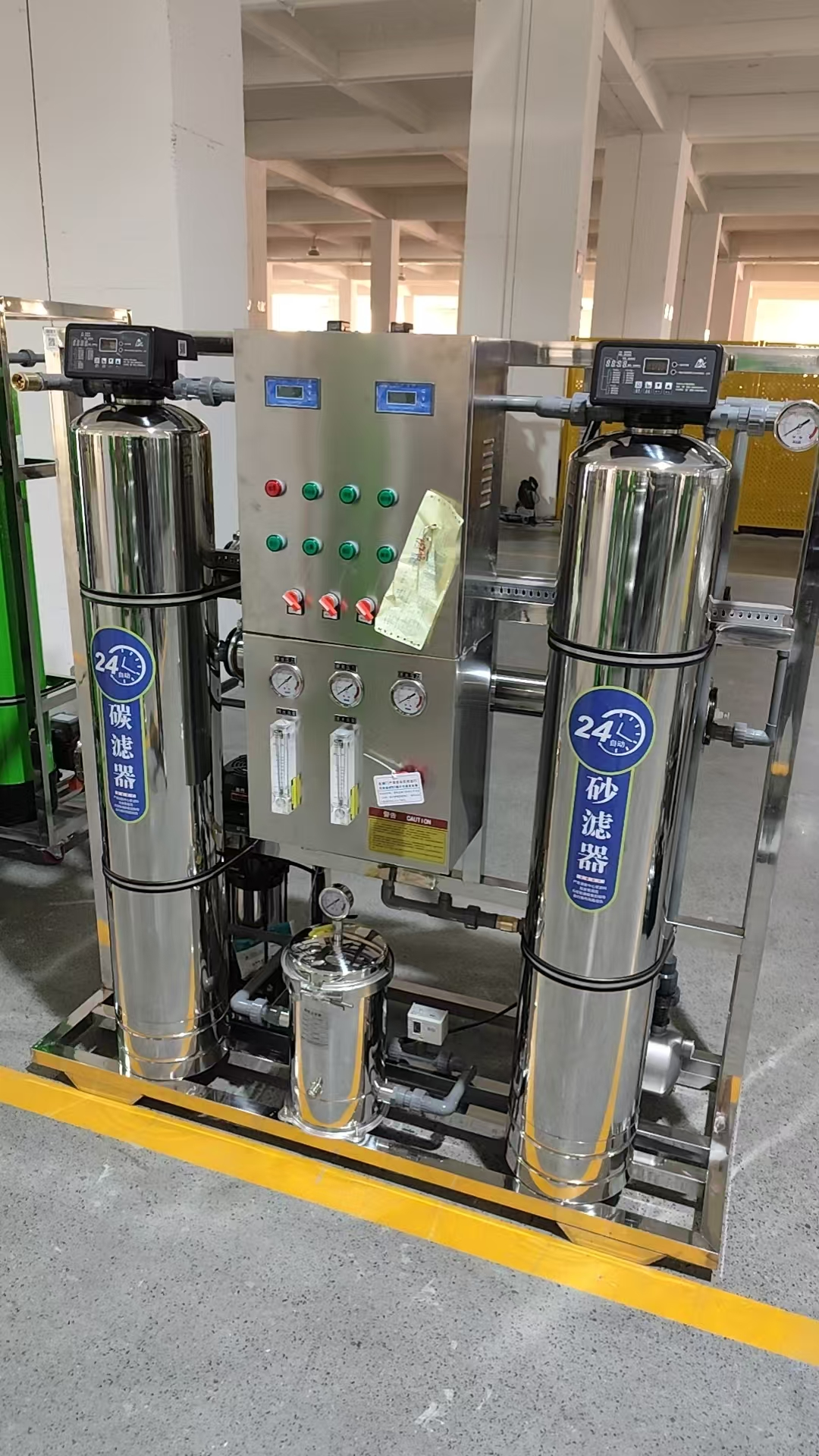
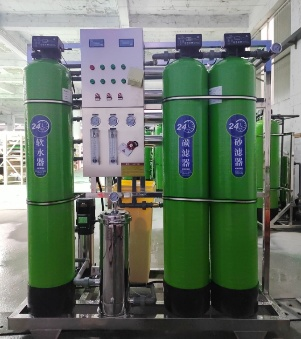
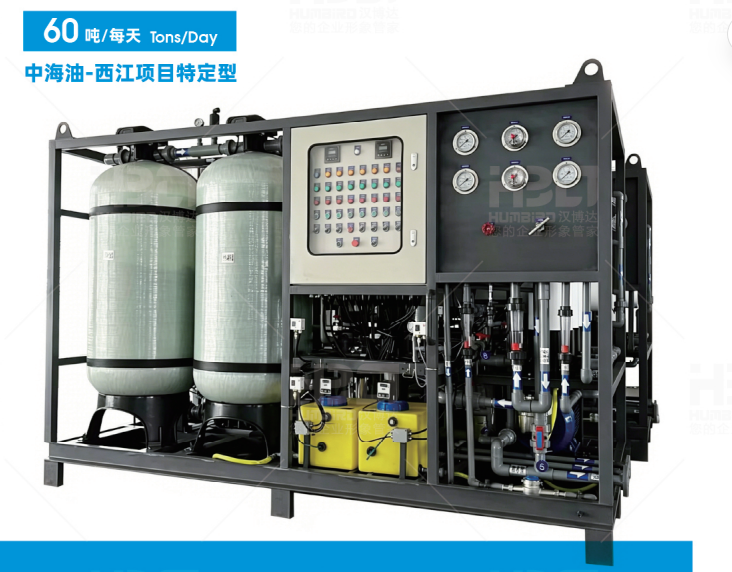
Applicable Scenarios: Commercial coffee shops, whole-house water purification for villas, pre‑treatment for small RO water purification systems, and pre‑treatment of groundwater in Indonesia
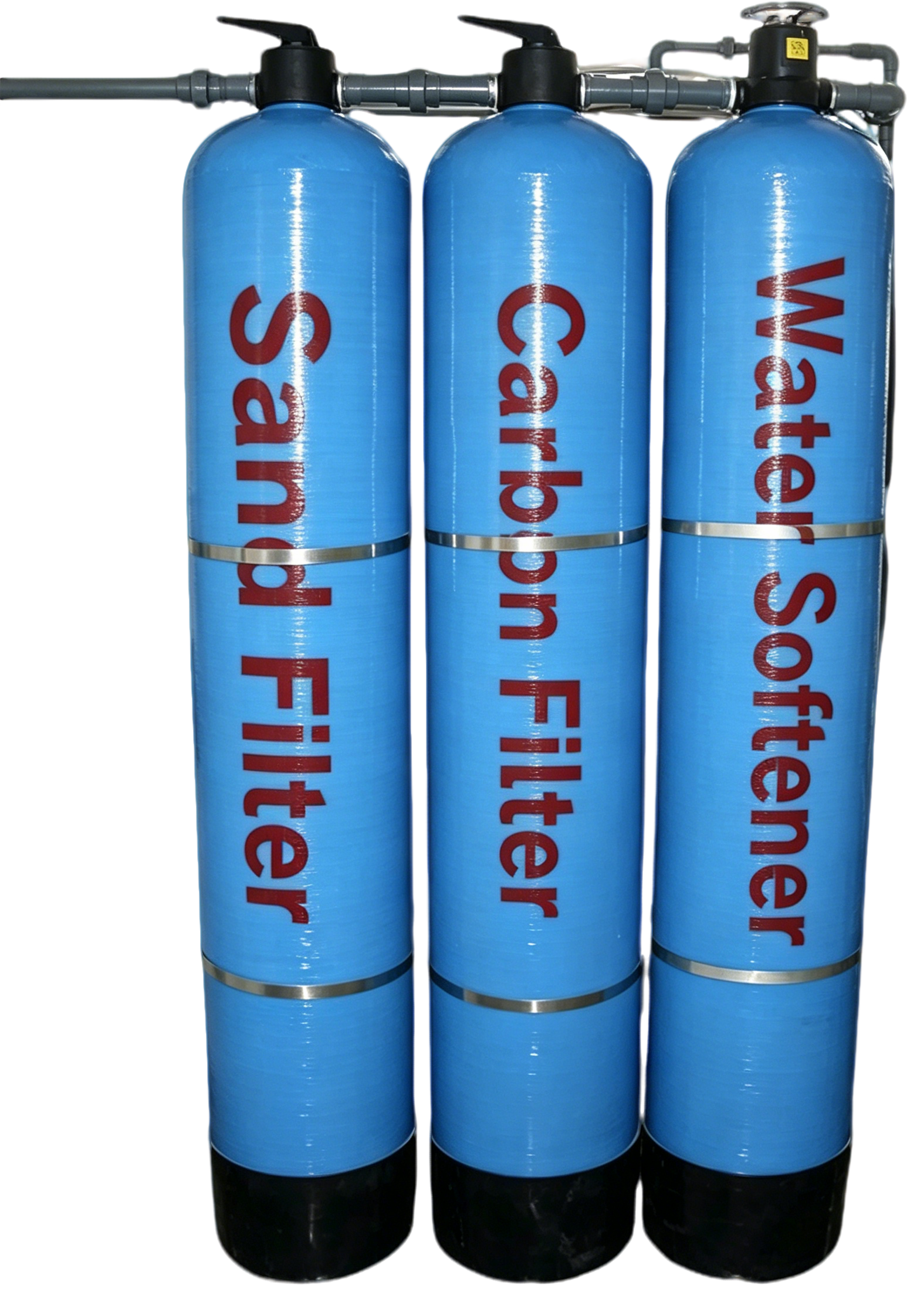
General Basic Parameters for the Tank Series (Three Tanks Share a Unified Specification):
Tank Model: 1065 (commonly referred to as “250 tank” in the industry)
External Dimensions: Diameter Φ250 mm, Total Height 1650 mm
Effective Volume: Approximately 120 L (filter media filling volume; “250 tank” is an industry nickname)
Materials:
Inner Liner: Food‑grade seamless PE rotomolded liner
Outer Layer: Glass fiber + epoxy resin wound pressure‑resistant layer
Base: Thickened PP plastic base
Pressure Specifications:
Normal Operating Pressure: 0.1–0.7 MPa (10–100 PSI)
Test Pressure: 100 PSI; Burst Pressure ≥ 400 PSI
Temperature Range: 1–50°C (suitable for typical Indonesian ambient‑temperature groundwater)
Top Opening: 2.5‑inch threaded top opening, compatible with automatic multi‑port valves
Inlet/Outlet: Standard 1‑inch internal thread fittings
Nominal Filtration Flow Rate: 1–1.5 tons/hour (1000–1500 L/h)
Applicable Raw Water Conditions:
Raw Water Turbidity ≤ 15 NTU
Residual Chlorine ≤ 0.3 mg/L
Total Hardness ≤ 8 mmol/L
Iron and Manganese Content < 0.3 mg/L
Tank No. 1: Quartz Sand Filter – Specific Parameters:
1. Media Configuration
Media: Refined quartz sand, 0.6–1.2 mm (8–20 mesh)
Filling Weight: 75–80 kg
Support Layer: Gravel stratification (large particles at the bottom, fine sand on top)
2. Operational Parameters
Filter Flow Rate: 8–10 m/h
Backwash Flow Rate: 2.0–2.5 tons/hour
Backwash Duration: 8–12 minutes
Backwash Cycle: Automatic backwashing every 7–15 days
3. Treatment Performance
Removes sediment, rust, colloids, and parasite eggs; effluent turbidity < 1 NTU
Protects downstream activated carbon and RO membranes from clogging
4. Consumable Replacement Cycle: Replace the entire quartz sand bed every 2–3 years
Tank No. 2: Coconut Shell Activated Carbon Filter – Specific Parameters:
1. Media Configuration
Media: High‑iodine coconut shell granular activated carbon (iodine value ≥ 1000 mg/g)
Filling Weight: 60–65 kg
2. Operational Parameters
Filter Flow Rate: 7–9 m/h
Backwash Flow Rate: 1.8–2.2 tons/hour
Backwash Duration: 6–10 minutes
Backwash Cycle: Automatic backwashing every 10–20 days
3. Treatment Performance
Completely adsorbs residual chlorine, preventing oxidative damage to RO membranes
Removes discoloration, odors, organic compounds, and trace heavy metals
4. Consumable Replacement Cycle: Replace the activated carbon every 18–24 months
Tank No. 3: Cationic Softening Resin Tank – Specific Parameters:
1. Media Configuration
Media: Strong acid sodium ion exchange resin 001×7
Filling Volume: 75 L (approximately 50 kg of resin)
Accessories: Independent salt tank (standard 40 L brine regeneration container)
2. Operational Parameters
Working Flow Rate: 6–8 m/h, producing 1–1.2 tons/hour
Single Tank Total Exchange Capacity: 25,000 mmol
Regeneration Reagent: Industrial softening salt (NaCl)
Single Regeneration Salt Consumption: 6–8 kg
Regeneration Duration: 60–90 minutes
Regeneration Cycle: Dual control by flow rate and time; under raw water hardness of 300 ppm, up to 40 tons of softened water can be produced per regeneration
3. Water Quality Treatment Indicators
Raw Water Hardness: No limit, up to 8 mmol/L; Effluent Hardness: ≤ 0.03 mmol/L (virtually no scale)
4. Consumable Replacement Cycle: Replace the resin every 3–5 years
Overall Integrated Parameters for the Three‑Tank Series System:
Standard Process Flow
Raw Water → Quartz Sand Tank (Turbidity Removal) → Activated Carbon Tank (Chlorine Removal) → Softening Resin Tank (Hardness Reduction)
Overall Nominal Production Capacity: Stable pre‑treatment supply of 1 ton/hour
Control Valves: Fully automatic dual‑control multi‑port valve (operating on 220 V/50 Hz power supply)